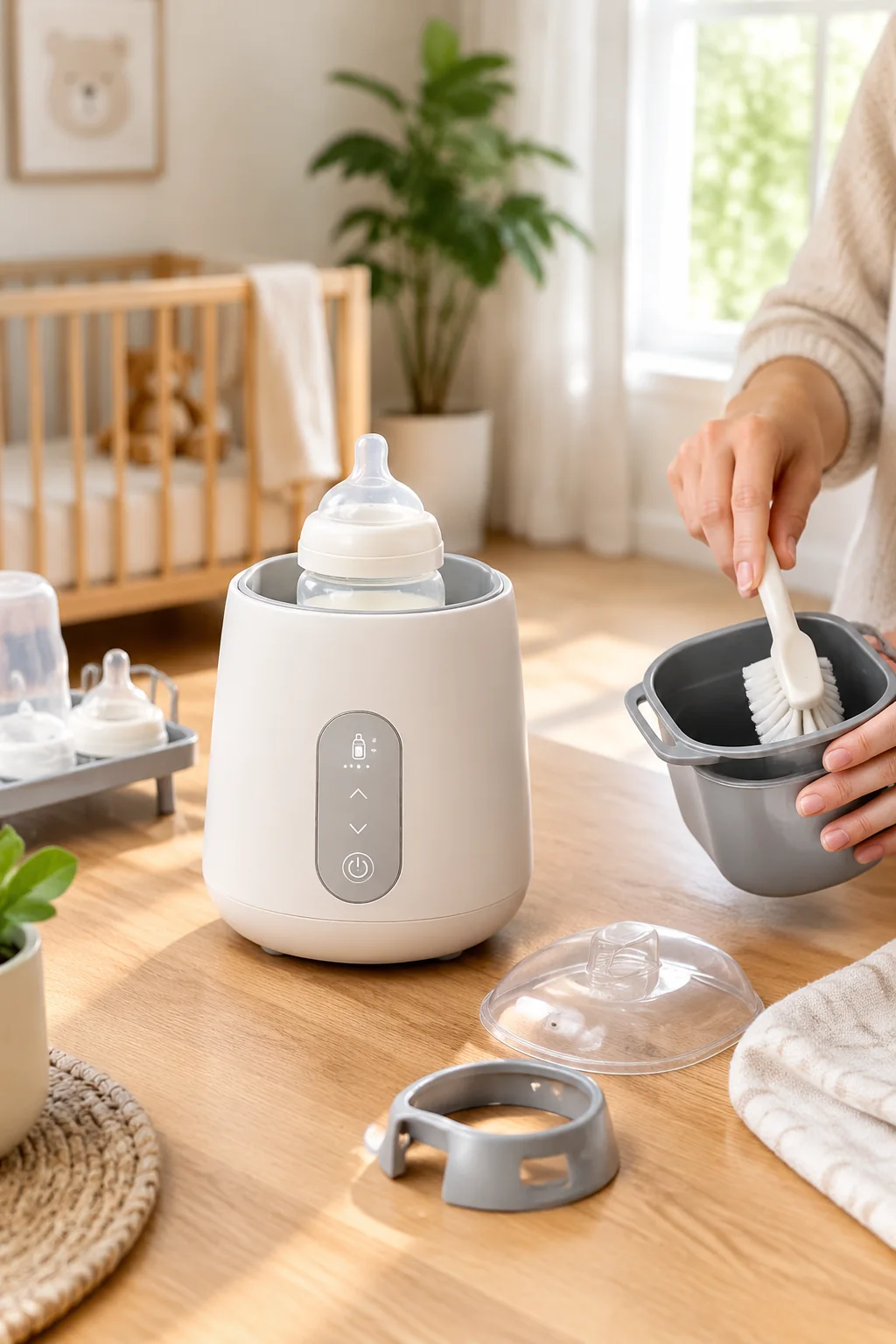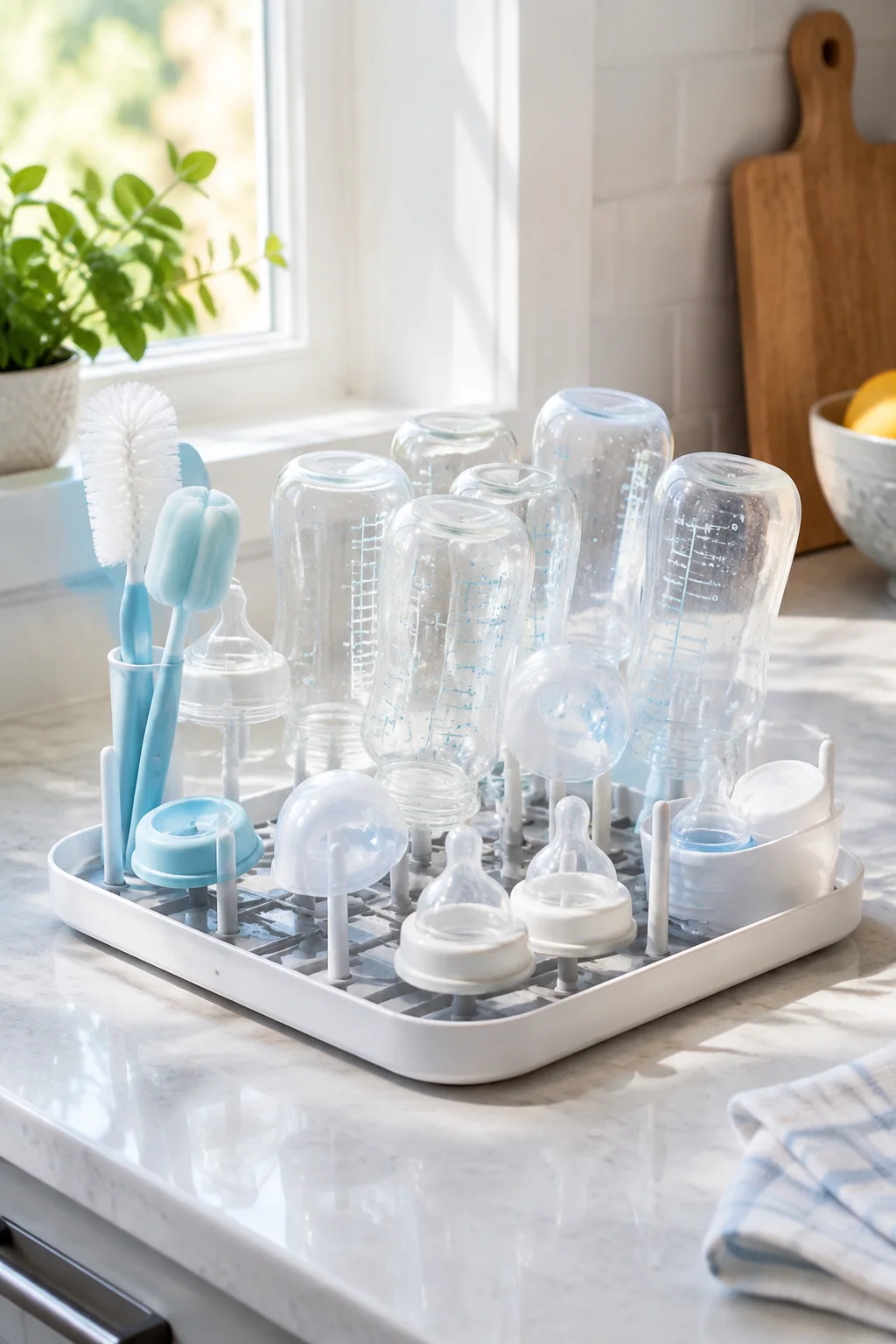
Several caregivers share feeds during the day, and the bottle parts need to fit a small drying rack and a predictable wash routine.
Bottles marketed as universally preferred may not match an individual baby's feeding needs, and more components create more cleaning work.
Start with a small number of simple bottles, follow feeding and product guidance, and ask a lactation or healthcare professional about feeding concerns.
The short version
Buy for the routine you repeat.
Start with the format that removes the most friction from your day, then compare packaging, directions, upkeep, and return terms. A product that performs one clear job is usually a better buy than a bundle that creates five new steps.
Start with real life, not the product page
Several caregivers share feeds during the day, and the bottle parts need to fit a small drying rack and a predictable wash routine. That is the useful starting point because product pages are designed to make every feature feel important. Your actual routine exposes which features matter: how quickly a cap opens, whether a texture layers under something else, where the item dries or charges, and how much attention you can give it on an ordinary weekday.
Bottles marketed as universally preferred may not match an individual baby's feeding needs, and more components create more cleaning work. Before opening a dozen tabs, write down the one inconvenience you want to remove. Then set a boundary around budget, storage, fragrance preference, and the return period you need. Those constraints make comparison easier and help keep a curious purchase from becoming clutter.
Three product directions worth comparing
These are formats rather than ranked products. They are intended to help you narrow a large category without pretending that one option is universal. Check current labels, directions, availability, and seller policies before purchasing.
Best for simple storage and widely available parts
Standard-neck bottle
Look for: clear volume marks, few components, and easy cleaning. The most useful listing will make format, amount, directions, and return terms easy to find rather than hiding them behind lifestyle claims.
The tradeoff: shape may not suit every caregiver preference. Decide whether that inconvenience is acceptable before upgrading size or buying more than one.
Browse current optionsBest for caregivers who find a wider opening easier to fill
Wide-neck bottle
Look for: brush access, cap fit, and replacement nipple availability. The most useful listing will make format, amount, directions, and return terms easy to find rather than hiding them behind lifestyle claims.
The tradeoff: takes more drying-rack space. Decide whether that inconvenience is acceptable before upgrading size or buying more than one.
Browse current optionsBest for families comparing specific design features
Vent-system bottle
Look for: assembly instructions and every part needed for cleaning. The most useful listing will make format, amount, directions, and return terms easy to find rather than hiding them behind lifestyle claims.
The tradeoff: additional components increase washing and loss risk. Decide whether that inconvenience is acceptable before upgrading size or buying more than one.
Browse current optionsPut the purchase into a routine
A useful product should have a clear entry and exit point: where you store it, when you use it, what comes immediately before and after, and how you know when it is not working for you. This four-step version keeps the routine observable.
- 01
Discuss feeding plans and concerns with the appropriate qualified professional.
- 02
Choose compatible parts and label them for caregivers.
- 03
Clean and sanitize according to current product and health guidance.
- 04
Observe feeding and pause for help if there are signs of difficulty.
Use the directions on the actual product as the authority. For baby products, follow current manufacturer instructions and applicable safety guidance, and consult a qualified professional for health or developmental questions. For beauty products, qualified professional advice matters more than a general buying guide when health questions arise.
The checkout checklist
Pause on the cart page and verify the unglamorous details. They are often the difference between a product that joins the routine and one that waits in a drawer.
- Buy a small trial quantity
- Check nipple flow labeling and instructions
- Count all cleaning parts
- Confirm replacement-part availability
- Create a clear caregiver handoff routine
What not to overbuy
Shopping becomes expensive when experimentation and commitment happen at the same time. Start with one format, learn how it fits your home and routine, and only then decide whether a backup, companion product, or larger size makes sense.
- Changing flow rate without checking guidance
- Mixing incompatible bottle and nipple parts
- Using a bottle that is cracked or worn
Common questions
Which bottle is best for every baby?
There is no universal choice. Follow feeding guidance and seek help from a qualified lactation or healthcare professional if feeding is difficult.
Should I buy a large bottle set first?
A small trial helps avoid unused parts if the chosen shape, flow, or routine does not suit your family.
How should bottles be cleaned?
Follow current public-health guidance and the product instructions for washing, sanitizing, and replacing worn parts.
How this guide was made
Scenario first, claims second.
Glow Decode developed this guide around common use constraints, product-format tradeoffs, and publicly available label or manufacturer information. We did not assign ratings or claim hands-on testing. Product ranges and directions change, so verify details with the seller or manufacturer before use.
Last editorial review: September 24, 2026. For corrections, email hello@glowdecode.com.