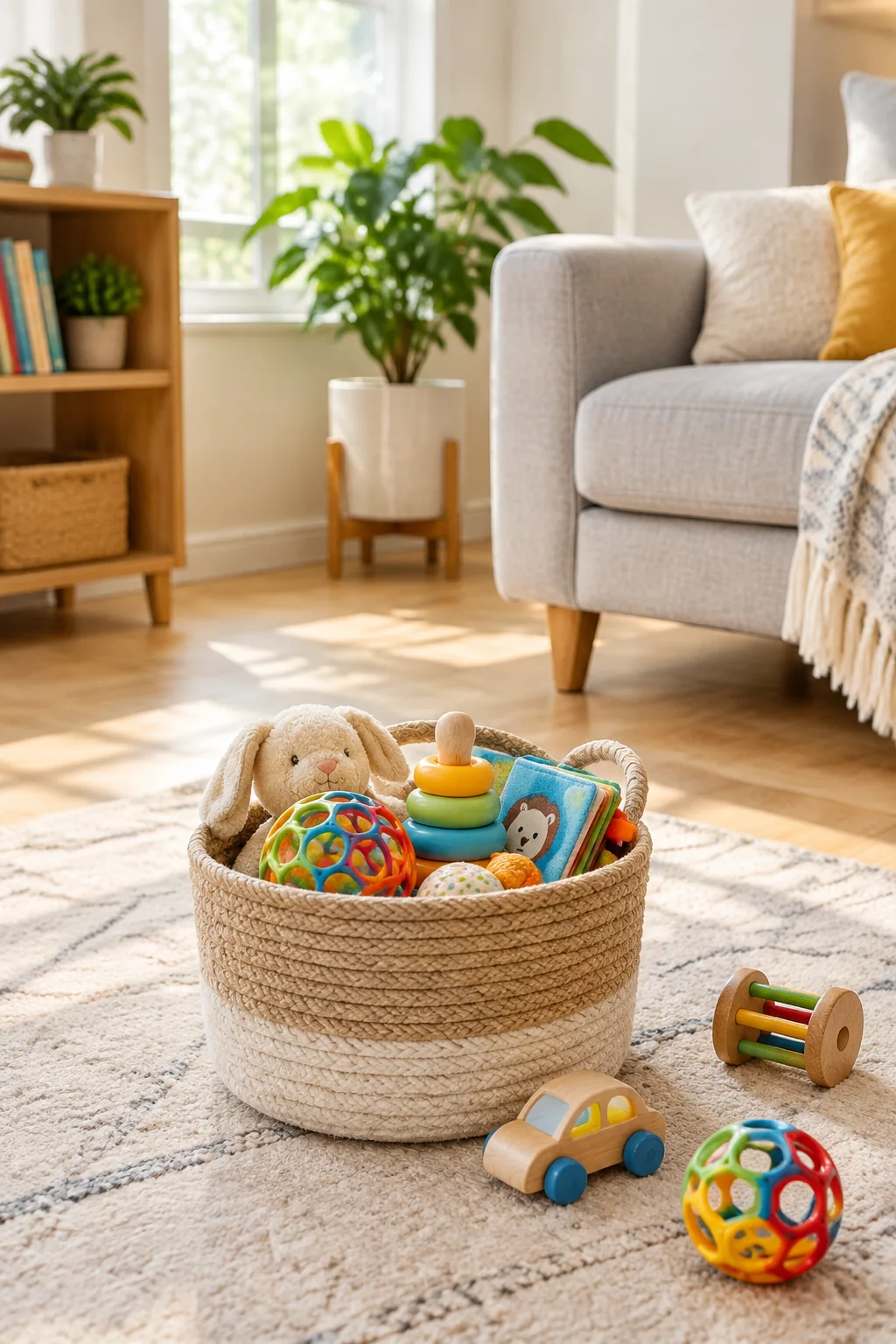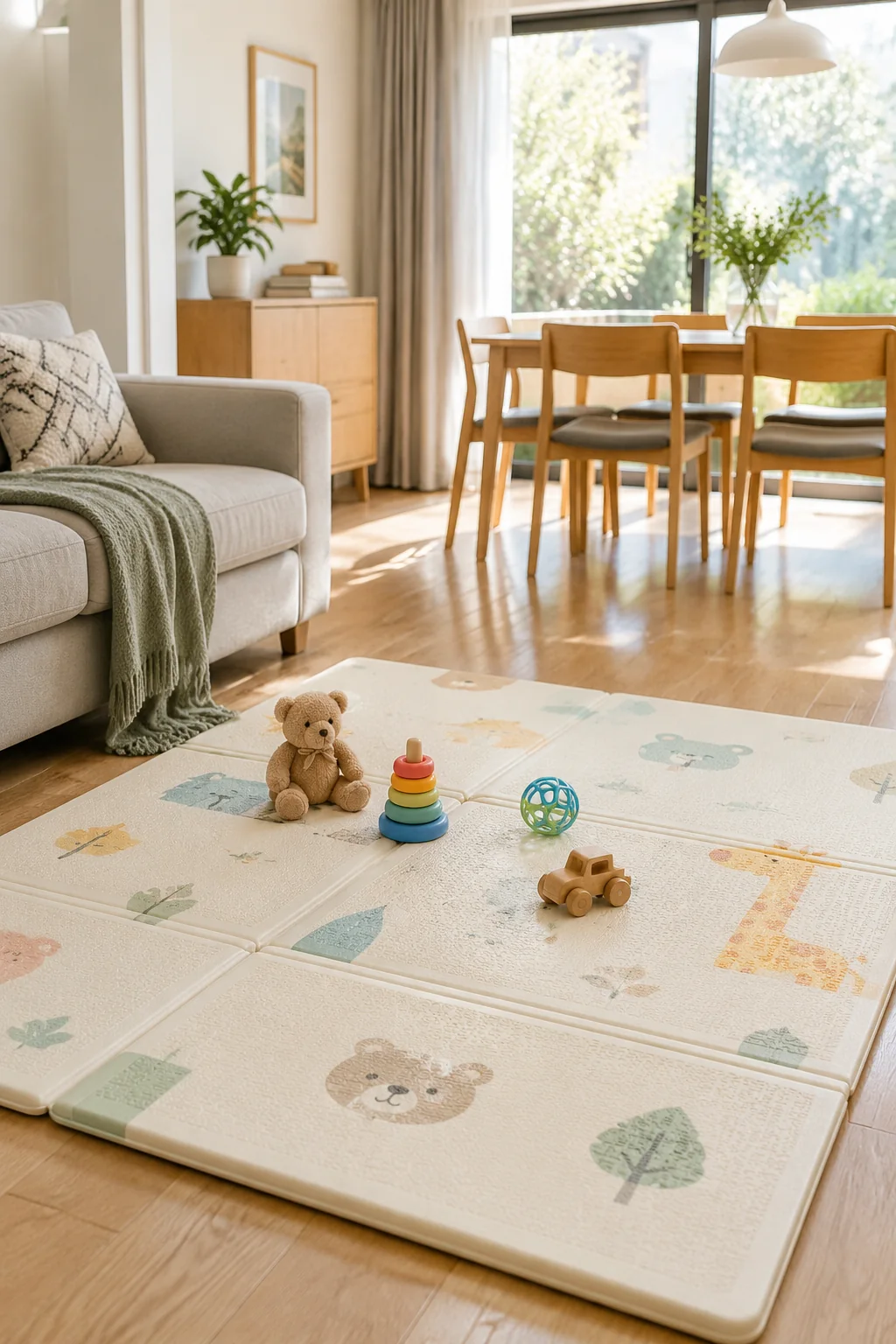
Bedtime reading happens on the living-room floor, and a tiny shelf has room for only a handful of sturdy books.
A large collection is not necessary for a useful routine, and paper formats can be hard for a baby to handle independently.
Start with a few board books that invite short shared reads, store them upright within adult reach, and supervise handling.
The short version
Buy for the routine you repeat.
Start with the format that removes the most friction from your day, then compare packaging, directions, upkeep, and return terms. A product that performs one clear job is usually a better buy than a bundle that creates five new steps.
Start with real life, not the product page
Bedtime reading happens on the living-room floor, and a tiny shelf has room for only a handful of sturdy books. That is the useful starting point because product pages are designed to make every feature feel important. Your actual routine exposes which features matter: how quickly a cap opens, whether a texture layers under something else, where the item dries or charges, and how much attention you can give it on an ordinary weekday.
A large collection is not necessary for a useful routine, and paper formats can be hard for a baby to handle independently. Before opening a dozen tabs, write down the one inconvenience you want to remove. Then set a boundary around budget, storage, fragrance preference, and the return period you need. Those constraints make comparison easier and help keep a curious purchase from becoming clutter.
Three product directions worth comparing
These are formats rather than ranked products. They are intended to help you narrow a large category without pretending that one option is universal. Check current labels, directions, availability, and seller policies before purchasing.
Best for simple visual attention and short reads
High-contrast board book
Look for: sturdy binding, clear images, and rounded page corners. The most useful listing will make format, amount, directions, and return terms easy to find rather than hiding them behind lifestyle claims.
The tradeoff: small format may be hard for adults to read across a room. Decide whether that inconvenience is acceptable before upgrading size or buying more than one.
Browse current optionsBest for naming familiar objects together
Photo or everyday-object book
Look for: durable pages and uncluttered photographs. The most useful listing will make format, amount, directions, and return terms easy to find rather than hiding them behind lifestyle claims.
The tradeoff: paper coatings still need gentle handling. Decide whether that inconvenience is acceptable before upgrading size or buying more than one.
Browse current optionsBest for a repeated bedtime reading cue
Rhythm and rhyme book
Look for: short text, sturdy pages, and readable type. The most useful listing will make format, amount, directions, and return terms easy to find rather than hiding them behind lifestyle claims.
The tradeoff: some sound or flap features need more supervision. Decide whether that inconvenience is acceptable before upgrading size or buying more than one.
Browse current optionsPut the purchase into a routine
A useful product should have a clear entry and exit point: where you store it, when you use it, what comes immediately before and after, and how you know when it is not working for you. This four-step version keeps the routine observable.
- 01
Choose one short book for a calm moment.
- 02
Let the child look, point, and turn pages with support.
- 03
Wipe or clean books only as the publisher recommends.
- 04
Rotate the small collection based on interest.
Use the directions on the actual product as the authority. For baby products, follow current manufacturer instructions and applicable safety guidance, and consult a qualified professional for health or developmental questions. For beauty products, qualified professional advice matters more than a general buying guide when health questions arise.
The checkout checklist
Pause on the cart page and verify the unglamorous details. They are often the difference between a product that joins the routine and one that waits in a drawer.
- Choose sturdy bindings
- Check small detachable pieces
- Store books safely
- Keep reading relaxed and brief
- Use age and publisher guidance
What not to overbuy
Shopping becomes expensive when experimentation and commitment happen at the same time. Start with one format, learn how it fits your home and routine, and only then decide whether a backup, companion product, or larger size makes sense.
- Treating books as developmental guarantees
- Leaving damaged pieces within reach
- Buying more than storage allows
Common questions
When can I start reading to a baby?
Shared reading can begin early as a calm interaction. Keep sessions responsive and enjoyable rather than focusing on milestones.
Are bath books better for babies?
They may suit some routines, but check materials, cleaning guidance, and signs of trapped moisture or damage.
How many books should I keep out?
A small accessible rotation is enough to begin. Store extras securely and change the selection when interest shifts.
How this guide was made
Scenario first, claims second.
Glow Decode developed this guide around common use constraints, product-format tradeoffs, and publicly available label or manufacturer information. We did not assign ratings or claim hands-on testing. Product ranges and directions change, so verify details with the seller or manufacturer before use.
Last editorial review: September 24, 2026. For corrections, email hello@glowdecode.com.